Framework Laptop 16 (RX 7700S)
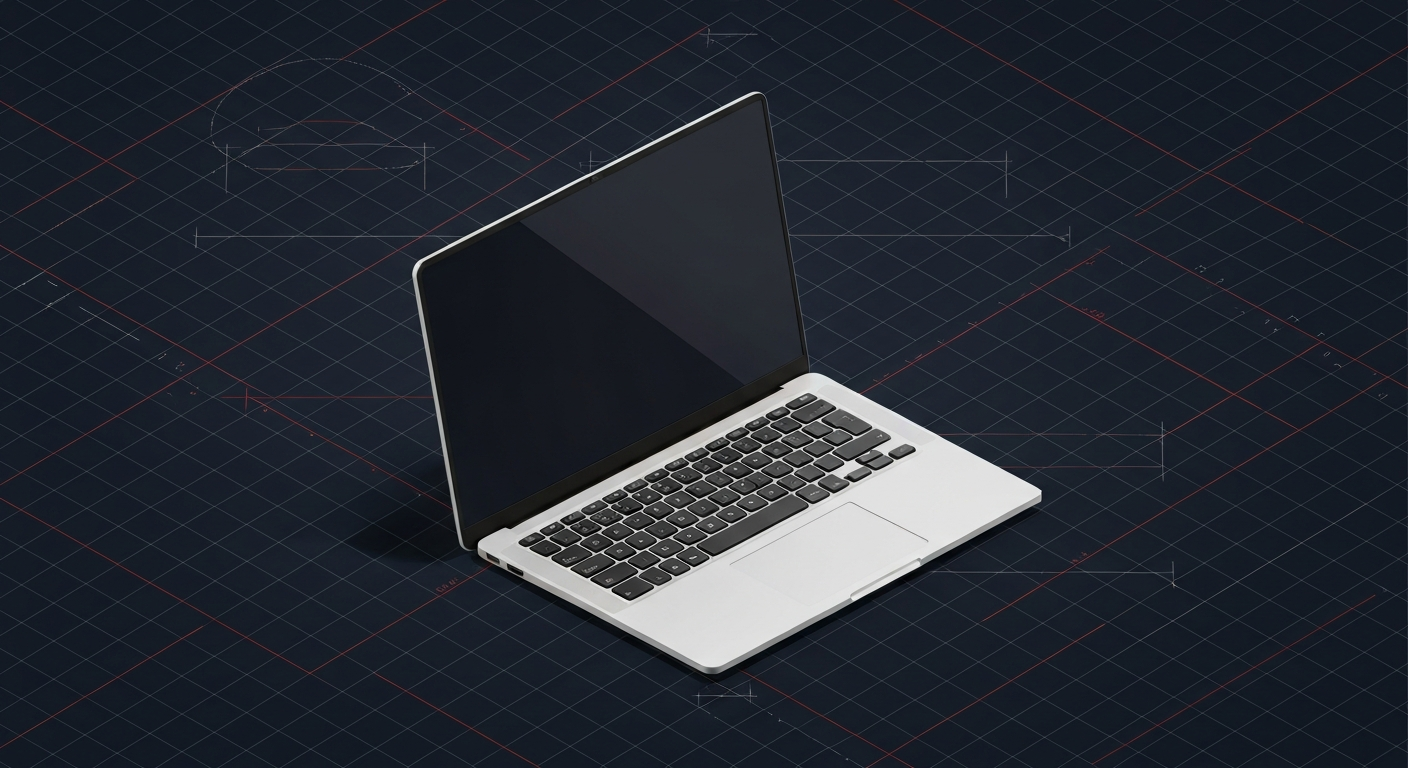
Modular AMD laptop. Limited GPU but the platform is the appeal.
Affiliate disclosure: as an Amazon Associate and partner of other retailers, we earn from qualifying purchases. The verdict on this page is our editorial opinion; affiliate links never influence what we recommend.
Sub-scores sum to 210 / 1000. Headline = 210 × 0.70 (Estimated-confidence discount) = 147. This is an algorithmic performance-tier score — distinct from, and often lower than, the editorial “Our verdict” below, which weighs value and real-world fit (especially for hardware we haven’t measured yet). How scoring works →
Insufficient data — VRAM 8GB, bandwidth ? GB/s.
Plain-English: Doesn't fit modern chat models usefully.
Verdicts extrapolated from catalog VRAM + bandwidth + ecosystem flags. Hover any chip for the rationale. Want measured numbers? Submit your own run with runlocalai-bench --submit.
What it does well
The Framework Laptop 16 is the only mainstream user-repairable / user-upgradable laptop on the market and a genuinely interesting AMD-ecosystem option for buyers who value modularity over peak performance. The base model is AMD Ryzen 7 7840HS / Ryzen 9 7940HS + iGPU; the optional Graphics Module adds an AMD Radeon RX 7700S (8 GB GDDR6) discrete dGPU. Total cost lands around $1,699-$2,300 depending on configuration. The headline feature: every component is user-serviceable — battery, RAM (DDR5 SO-DIMM, up to 64 GB), storage, expansion cards, keyboard, even the GPU module is swappable. For local AI specifically, the 8 GB dGPU + AMD ROCm/DirectML stack runs the basic LLM tooling: llama.cpp ROCm, Ollama AMD support, LM Studio Vulkan backend. The unified system memory (up to 64 GB DDR5) is meaningful for memory-bound workloads via CPU offload. For the buyer who values repairability + modular ports + AMD ecosystem + Linux-friendliness over peak gaming/AI throughput, Framework Laptop 16 is genuinely unique.
Where it breaks
- 8 GB dGPU is below the practical floor for serious local AI. RX 7700S has only 8 GB GDDR6 — fits 7B Q4 / Q5 with limited context but anything bigger (13B, 14B) needs partial offload to system RAM, which slows decode dramatically. Reader who wants real local AI on a laptop should pick a different machine.
- No CUDA — full stop. AMD Radeon ecosystem only. ROCm + DirectML + Vulkan basics work; the long tail of CUDA-only frameworks doesn't.
- Discrete GPU performance is modest. RX 7700S is a 100W laptop dGPU — substantially less compute and bandwidth than RTX 4060 Mobile or higher.
- Pricing premium for repairability. Configured with dGPU + 32 GB RAM + 1 TB SSD lands at $2,200-2,500 — competitive with Lenovo Legion 5 Pro Gen 7 (RTX 3080 16 GB Mobile, much faster GPU + 2× more VRAM) at similar money.
- Expansion card pricing adds up. Each USB-C / USB-A / DisplayPort / HDMI / SD card "expansion" port is purchased separately at $9-$39 each. Realistic outfitting costs $80-$120 in cards.
- Cooling is good for the price-point but not flagship-tier. Sustained AI workloads will throttle eventually.
- Battery life is modest with dGPU active. ~2-4 hours real local AI on battery; plug in for serious work.
Ideal model range
- Sweet spot: 7B FP16 / Q5 inference at ~25–40 tok/s on the dGPU.
- Sweet spot: Smaller MoE models (sub-7B parameters active) at reasonable speed.
- Sweet spot: Embedding models, classifiers, small re-rankers — fits 8 GB easily.
- Sweet spot (CPU+iGPU): 13B Q4 with significant CPU offload to 64 GB DDR5 — slow but functional. The unified memory model helps here.
- Sweet spot (philosophy): Buyers who value repairability + modularity + AMD ecosystem more than peak laptop AI performance.
- Bad fit: 14B+ FP16, 32B-class anything, sustained inference, gaming + AI dual-purpose.
Bad use cases
- Serious local AI on a laptop. Pick Razer Blade 16, ASUS ROG Strix Scar 18, or MacBook Pro 16 M4 Max — all dramatically better.
- CUDA-locked stacks. AMD only.
- Cost-conscious 16 GB+ laptop AI buyers. Lenovo Legion 5 Pro Gen 7 at similar money has 16 GB CUDA discrete GPU.
- Premium build / silence preferences. Framework prioritizes modularity over premium feel — there are visible mechanical screws everywhere.
- Maximum tok/s. Wrong tier — 8 GB AMD dGPU is value territory.
Verdict
Buy this if you specifically value laptop repairability + user-upgradability + AMD ecosystem + Linux-first design + modular ports more than peak local AI performance, your AI workload is firmly 7B-class with occasional 13B Q4 use, you can absorb the modest software-ecosystem friction (ROCm + Vulkan + DirectML basics), and you're philosophically aligned with the "right to repair" Framework mission. Framework Laptop 16 is the right pick for the niche buyer who values modularity over peak performance.
Skip this if you want serious local AI on a laptop (Razer Blade 16 / Strix Scar 18 / MacBook Pro 16 M4 Max all win meaningfully), you need CUDA (don't fight the ecosystem), you target 14B+ models (pick discrete-GPU NVIDIA laptops), or you want premium build quality (Framework's modularity inevitably trades against premium feel).
How it compares
- vs Lenovo Legion 5 Pro Gen 7 (RTX 3080 Mobile 16 GB) → Legion at $2,299 has 2× the dGPU VRAM + CUDA + faster compute. Framework wins on repairability, modular ports, AMD ecosystem, philosophical alignment. Pick Framework only when you care about modularity > AI performance. See /compare/framework-laptop-16-vs-lenovo-legion-5-pro-gen-7.
- vs Razer Blade 16 (RTX 5090 Mobile) → Razer Blade 16 has 24 GB CUDA + Blackwell + dramatically better build at +$2,300. Framework wins on price + repairability. Different philosophical answer to "what's a laptop for."
- vs MacBook Pro 16 M4 Max (128 GB unified) → MBP 16 wins on memory ceiling (16× the VRAM-equivalent), battery life, ecosystem (MLX is more mature than ROCm-on-Linux). Framework wins on price (sub-$2,500 vs $4,000+), repairability, AMD/Linux alignment. Pick by ecosystem and philosophy.
- vs AMD Ryzen AI 9 HX 370 laptops → HX 370 systems have newer Strix Point + dedicated NPU but typically no discrete GPU. Framework Laptop 16 with dGPU module has actual discrete AMD GPU at similar price. Pick Framework for dGPU + modularity; HX 370 systems for newer arch + better battery.
- vs building a desktop → Desktop wins on every dimension except portability. If you don't truly need laptop form, build a desktop with used RTX 4080 or used 3090.
Overview
Modular AMD laptop. Limited GPU but the platform is the appeal.
Some links above are affiliate links. We may earn a commission at no extra cost to you. How we make money.
Specs
| VRAM | 8 GB |
| System RAM (typical) | 32 GB |
| Power draw (peak) | 100 W |
| Released | 2024 |
| MSRP | $1699 |
| Backends | ROCm Vulkan |
Models that fit
Open-weight models small enough to run on Framework Laptop 16 (RX 7700S) with usable context.
Hardware worth comparing
The closest alternatives by price, memory bandwidth, and form factor, plus a step up and down — so you can frame the buying decision against real options.
- 9.3/10Lenovo Legion 5 Pro Gen 7 (RTX 3080 16GB)nvidia · 16 GB VRAM
- 8.0/10Apple MacBook Air (M4)apple · 120 GB/s
- 9.6/10ASUS ROG Strix Scar 18 (RTX 5090 Mobile)nvidia · 24 GB VRAM
- 9.6/10Razer Blade 16 (2025, RTX 5090 Mobile)nvidia · 24 GB VRAM
- 10.0/10MacBook Pro 16" M4 Maxapple · 546 GB/s
- 7.1/10NVIDIA GeForce RTX 5070 Laptop GPUnvidia · 12 GB VRAM
Frequently asked
What models can Framework Laptop 16 (RX 7700S) run?
Does Framework Laptop 16 (RX 7700S) support CUDA?
Where next?
Reviewed by RunLocalAI Editorial. See our editorial policy for how we research and verify hardware specifications.