ASUS ROG Strix Scar 18 (RTX 5090 Mobile)
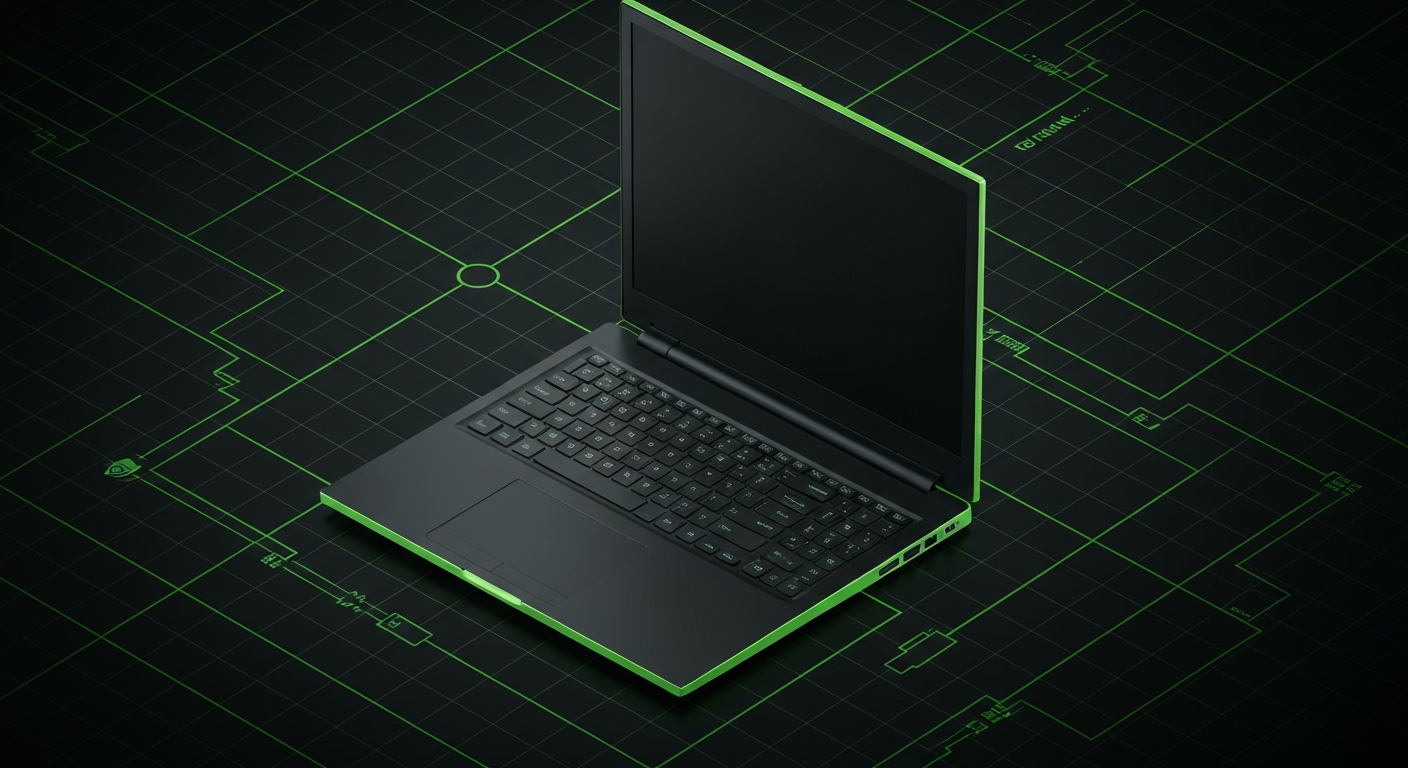
Desktop-replacement gaming/AI laptop with cooler thermals than ultraslims.
Affiliate disclosure: as an Amazon Associate and partner of other retailers, we earn from qualifying purchases. The verdict on this page is our editorial opinion; affiliate links never influence what we recommend.
Sub-scores sum to 370 / 1000. Headline = 370 × 0.70 (Estimated-confidence discount) = 259. This is an algorithmic performance-tier score — distinct from, and often lower than, the editorial “Our verdict” below, which weighs value and real-world fit (especially for hardware we haven’t measured yet). How scoring works →
Insufficient data — VRAM 24GB, bandwidth ? GB/s.
Plain-English: Doesn't fit modern chat models usefully.
Verdicts extrapolated from catalog VRAM + bandwidth + ecosystem flags. Hover any chip for the rationale. Want measured numbers? Submit your own run with runlocalai-bench --submit.
What it does well
The ASUS ROG Strix Scar 18 (2025) with RTX 5090 Mobile is the larger-chassis answer to the Razer Blade 16 (2025) for serious laptop AI buyers. Same RTX 5090 Mobile GPU (24 GB GDDR7), same Blackwell-mobile generation features (FP4 native, second-gen Transformer Engine, AV1 dual-encode), at $3,999 retail — actually $500 cheaper than Razer Blade 16. The Strix Scar 18's 18-inch chassis brings real advantages for sustained AI workloads: dramatically more thermal headroom than 16-inch laptops, larger heatsinks + improved fan curves, dual MUX switch for direct GPU output to the display, and 64 GB DDR5 RAM ceiling matching Razer. Display is a 18" QHD+ (2560×1600) at 240Hz — large enough that running an IDE + browser + chat window simultaneously is genuinely productive without dragging the eyes around. ASUS Armoury Crate gives more granular thermal/power control than Razer Synapse, useful when you're squeezing the last 5% out of sustained inference. Build quality is "gamer aesthetic" honest about itself — RGB, plastic accents — but the internals are serious laptop hardware.
Where it breaks
- Larger chassis means less portable. 18" laptop is genuinely big. Backpack fit is tight; carry-on is workable but heavier. Travel with intent, not casual.
- Aesthetics are gamer. RGB lighting is visible even when you turn it off (subtle reflections, light bleeding). Boardrooms and professional client meetings see "gaming laptop" before "AI workstation." Razer Blade 16 reads as a serious productivity device; Strix Scar 18 reads as a gaming PC. If you care about the perception, this matters.
- Battery life under inference is hours, not days. 90 Wh battery + 330W power adapter — meaningful local AI work plugged in. Same fundamental laptop AI constraint as Razer.
- Same 24 GB mobile vs 32 GB desktop tradeoff. RTX 5090 Mobile has 24 GB GDDR7 vs the desktop 5090's 32 GB. 8 GB delta matters for very long-context decode or 32B FP16 workflows.
- Build quality is good but not Razer-tier. Hinge feel, keyboard travel, trackpad — all good but not as premium as Razer Blade 16's CNC-aluminum-and-MagicEdge build. You're paying $500 less for visibly less premium.
- Power adapter is enormous. 330W power brick is honestly larger and heavier than some entire ultrabooks. Travel logistics matter.
Ideal model range
- Sweet spot: 70B Q4 with 16K–32K context, 32B FP16 with 64K context, 13B FP16 with 128K+ context — same as Razer Blade 16 since same GPU.
- Sweet spot: Sustained AI workloads (longer than 30 minutes) where 18" thermal headroom genuinely outperforms 16" laptops.
- Sweet spot: Multi-monitor desk-replacement use — 18" display + external monitor + keyboard makes a real "occasionally portable" workstation.
- Sweet spot: Mixed AI + gaming + creative use cases. The Strix Scar 18 is built for that combination.
- Stretch: Same as Razer Blade 16 — 70B Q5 with shorter context, 70B Q6/Q8 partial offload.
- Bad fit: 70B FP16, 200B-class anything, frontier model sizes.
Bad use cases
- Daily-carry laptop. 18" is too big for routine portability. Pick Razer Blade 16 if portability matters.
- Professional / boardroom contexts. Gamer aesthetic doesn't fit. Pick Razer Blade 16 or MacBook Pro 16 M4 Max for serious appearance.
- Frontier-tier laptop AI. MacBook Pro 16 M4 Max at 128 GB unified is the only laptop class that runs 70B FP16 fully on-chip.
- Sustained 24×7 production inference. Wrong tier — pick desktop or workstation.
- Cost-floor laptop AI buyers. Lenovo Legion 5 Pro at $2,299 is 16 GB RTX 3080 Mobile but at half the price; pick that for budget-conscious 16 GB workflows.
Verdict
Buy this if you need a Windows/CUDA laptop for serious local AI, you're trading portability for thermal headroom (18" chassis sustains workloads better than 16"), you'll desk-mount it primarily and travel occasionally, gamer aesthetic doesn't bother you, and saving $500 vs Razer Blade 16 matters. Strix Scar 18 hits the right sweet spot for "desk-replacement AI laptop" at the $4,000 tier.
Skip this if you travel routinely (16" chassis is much more practical — pick Razer Blade 16), professional aesthetics matter (gamer RGB is visible), you need 70B FP16 (pick MacBook Pro 16 M4 Max for 128 GB unified), you can build a desktop instead (desktop RTX 5090 wins on every dimension except portability), or you're cost-sensitive (used 4080 Super laptop or Lenovo Legion 5 Pro at $2,299).
How it compares
- vs Razer Blade 16 (2025) → Same GPU class (RTX 5090 Mobile, 24 GB), same 64 GB RAM ceiling, similar pricing tier. Strix Scar 18 has bigger chassis (more thermal headroom) at $500 less; Razer Blade 16 has better build quality + smaller portable form + cleaner aesthetics. Pick by chassis preference + aesthetic priorities. See /compare/asus-rog-strix-scar-18-vs-razer-blade-16-2025.
- vs MacBook Pro 16 M4 Max (128 GB unified) → MBP 16 wins on memory ceiling (5× the VRAM-equivalent), battery life (4× longer), silence, build quality. Strix Scar 18 wins on CUDA ecosystem, gaming/creator workloads, larger display. Pick by ecosystem (CUDA = Strix, MLX/Metal = MacBook).
- vs desktop RTX 5090 (32 GB) → Desktop wins on VRAM, sustained thermals, total cost. Laptop wins on portability + display included + complete system. Pick laptop only if portability is real value.
- vs Lenovo Legion 5 Pro Gen 7 (RTX 3080 Mobile, 16 GB) → Strix Scar 18 has 50% more VRAM + 2 architecture generations newer at $1,700 more. Pick Legion for budget-conscious 16 GB workflows; Strix Scar for serious 24 GB Blackwell-gen.
- vs RTX 5000 Ada laptop → Workstation laptops with 32 GB / Quadro-tier drivers exist (Lenovo P16, etc.) at $4,500+ premium. Strix Scar 18's GeForce drivers are perfectly fine for AI workloads at $500 less than equivalent workstation tier — pick Strix Scar unless you need ISV-certified Quadro drivers.
Overview
Desktop-replacement gaming/AI laptop with cooler thermals than ultraslims.
Some links above are affiliate links. We may earn a commission at no extra cost to you. How we make money.
Specs
| VRAM | 24 GB |
| System RAM (typical) | 64 GB |
| Power draw (peak) | 330 W |
| Released | 2025 |
| MSRP | $3999 |
| Backends | CUDA Vulkan |
Models that fit
Open-weight models small enough to run on ASUS ROG Strix Scar 18 (RTX 5090 Mobile) with usable context.
Hardware worth comparing
The closest alternatives by price, memory bandwidth, and form factor, plus a step up and down — so you can frame the buying decision against real options.
- 9.6/10Razer Blade 16 (2025, RTX 5090 Mobile)nvidia · 24 GB VRAM
- 10.0/10MacBook Pro 16" M4 Maxapple · 546 GB/s
- 7.8/10HP ZBook Ultra G1a (Ryzen AI Max+ PRO 395)amd · 256 GB/s
- 8.9/10Framework Laptop 16 (RX 7700S)amd · 8 GB VRAM
- 8.6/10NVIDIA GeForce RTX 5090 Mobilenvidia · 24 GB VRAM
- 8.0/10Apple MacBook Air (M4)apple · 120 GB/s
Frequently asked
What models can ASUS ROG Strix Scar 18 (RTX 5090 Mobile) run?
Does ASUS ROG Strix Scar 18 (RTX 5090 Mobile) support CUDA?
Where next?
Reviewed by RunLocalAI Editorial. See our editorial policy for how we research and verify hardware specifications.